
Why a Roof Certification Is Your Best Negotiating Tool
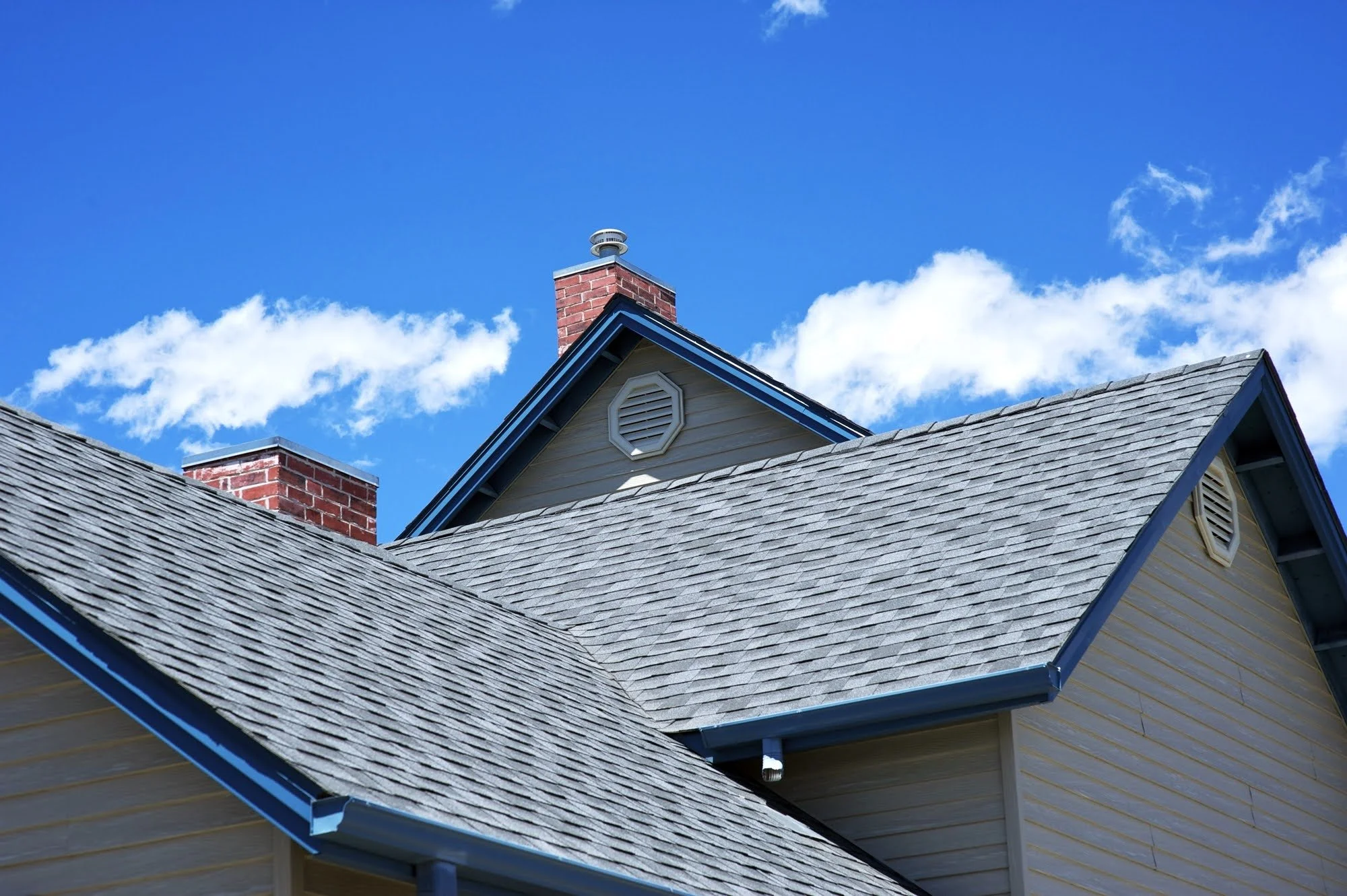
When you're standing in a beautifully staged living room or admiring granite countertops, the last thing on your mind might be what's happening twenty feet above your head. Yet the roof—that often-overlooked expanse of shingles, flashing, and underlayment—represents one of the most significant financial wildcards in any real estate transaction. A failing roof can mean tens of thousands of dollars in unexpected costs, and it's precisely this uncertainty that makes roof certification one of the most powerful negotiating tools available to both buyers and sellers.
The Roof: Real Estate's Biggest Question Mark
Unlike a fresh coat of paint or outdated appliances, a roof's condition isn't immediately apparent during a casual walkthrough. Most homebuyers crane their necks, squint at the roofline, and hope for the best. Sellers cross their fingers that nobody asks too many questions. This mutual uncertainty creates a perfect storm for negotiation breakdowns, last-minute deal collapses, and post-closing disputes that can sour what should be an exciting milestone.
A roof certification—a detailed inspection conducted by a licensed roofing professional—eliminates this guesswork entirely. Unlike the general home inspection that briefly examines the roof from the ground or with binoculars, a certified roof inspection involves a thorough, hands-on assessment of every component. The inspector climbs onto the roof, examines shingles individually, checks flashing around chimneys and vents, inspects gutters and drainage systems, and evaluates the overall structural integrity. The result is a comprehensive report that provides concrete answers to questions that might otherwise derail your transaction.
For Sellers: Turn Your Roof Into a Selling Point
If you're selling your home, few things are more frustrating than reaching the final stages of negotiation only to have a buyer's home inspector flag potential roof issues. Suddenly, your asking price seems negotiable. The buyer requests a $15,000 credit for a roof replacement, or worse, walks away entirely to pursue a property with fewer question marks. This scenario plays out in countless transactions every year, and it's almost entirely preventable.
By obtaining a roof certification before listing your property, you transform your roof from a liability into a competitive advantage. A recent certification report—ideally no more than six months old—demonstrates transparency and gives potential buyers confidence that they won't face surprise expenses after closing. This proactive approach signals that you've maintained your home responsibly and have nothing to hide.
The psychological impact shouldn't be underestimated. When competing offers arrive, buyers who've reviewed your certified roof report can move forward with greater certainty than those considering homes without such documentation. They may be willing to waive inspection contingencies or offer closer to the asking price because they have one less unknown to worry about. In a competitive market, this advantage can be the difference between accepting your preferred offer and settling for less favorable terms.
Additionally, if your roof is in excellent condition, the certification allows you to market this fact prominently. Including language like "Roof certified with 15+ years remaining life expectancy" in your listing description immediately addresses one of the buyers' primary concerns. Real estate agents can emphasize this point during showings, and you can justify your asking price with documented evidence rather than hopeful assertions.
Even if the inspection reveals minor issues, addressing them before listing—or pricing the home accordingly with full disclosure—prevents the dreaded renegotiation that occurs after a buyer's inspection. You control the narrative rather than reacting defensively to eleventh-hour demands.
For Buyers: Uncover What Others Miss
The typical home inspection lasts three to four hours and covers everything from the foundation to the attic insulation. While general home inspectors are knowledgeable professionals, they're generalists by necessity. They examine roofs visually, often from the ground using binoculars or from the edge without walking the entire surface. They note obvious issues—missing shingles, visible damage, or clear signs of aging—but may miss subtler problems that only a roofing specialist practiced in roof repairs would identify.
This is where roof certification becomes invaluable for buyers. A licensed roofing contractor brings specialized expertise that can uncover hidden issues invisible to the untrained eye. They can identify improper installation techniques that will lead to premature failure, spot inadequate ventilation causing moisture damage in the attic, detect failing sealants around roof penetrations that will eventually cause leaks, recognize granule loss on shingles indicating advanced wear, and assess whether previous repairs were completed correctly or merely masked underlying problems.
These discoveries can save you from inheriting someone else's deferred maintenance. Imagine moving into your dream home only to discover six months later that water damage in the attic has been ongoing for years, or that the roof you assumed had another decade of life needs complete replacement within two years. A specialized roof inspection, which typically costs between $150 and $400 depending on your location and roof complexity, can prevent five-figure surprises.
Armed with a certified roof inspection report, you enter negotiations with leverage. If the inspection reveals significant issues, you have several options: request that the seller complete necessary repairs before closing, negotiate a price reduction reflecting the cost of upcoming roof work, ask for a credit at closing to fund future repairs, or, if the problems are severe enough, walk away from the deal entirely without wondering "what if."
The Real Estate Agent's Perspective
For real estate agents, recommending roof certification to clients—whether representing buyers or sellers—demonstrates professionalism and protects all parties involved. Agents who encourage this extra step differentiate themselves as advisors who prioritize their clients' long-term interests over closing deals quickly.
When representing sellers, suggesting a pre-listing roof certification shows thoroughness and can prevent transactions from falling apart during the option period. When representing buyers, recommending a specialized roof inspection in addition to the general home inspection provides comprehensive due diligence that protects clients from costly surprises.
Making Your Decision
Whether you're buying or selling, the relatively modest cost of roof certification provides outsized value in risk mitigation and negotiating power. For sellers, it's an investment in a smoother transaction and potentially a higher sale price. For buyers, it's insurance against inheriting expensive problems. In both cases, replacing uncertainty with certified knowledge transforms the roof from a question mark into a known quantity—and that certainty is worth its weight in shingles.
Contact our team today if you need a residential roofing inspection.
Frequently Asked Questions About Roof Inspections in Real Estate
How does a professional roof inspection differ from a standard home inspection?
A general home inspector provides a broad overview of the entire property but may only observe the roof from a ladder or the ground. A professional roof inspection is performed by a specialist who physically walks the roof to check for structural integrity, shingle "bruising," and the condition of the flashing. This specialist provides a far more detailed assessment of the roof’s remaining lifespan, which is often required for insurance or mortgage approvals.
What exactly is a "Roof Certification," and why do I need one?
A roof certification is a formal document issued by a licensed contractor that estimates the roof's remaining life (typically 2 to 5 years) and confirms it is currently free of leaks or defects. For a seller, it provides a "clean bill of health" that prevents buyers from demanding a lower price. For a buyer, it offers a written guarantee and peace of mind that a major replacement won't be necessary immediately after moving in.
Can a roof inspection help me negotiate a better house price?
Absolutely. If a specialist inspection uncovers hidden issues—such as failing underlayment or widespread granule loss—a buyer can use the estimated repair costs as a powerful leverage point to negotiate a lower sale price or request that the seller replaces the roof before the closing date. Without this technical report, you might be stuck paying for those repairs out of pocket once you own the home.
Should I still get an inspection if the roof looks brand-new?
Yes. Even a new roof can have underlying issues if it was installed incorrectly. Problems like poor attic ventilation, improper flashing around chimneys, or "high-nailing" shingles can lead to premature failure or voided manufacturer warranties. An inspection ensures the new roof was installed to code and will actually last as long as promised.
Who typically pays for the roof inspection during a sale?
This is usually negotiable. In a "buyer's market," a buyer might ask the seller to provide a roof certification to prove the home’s value. Conversely, a proactive seller might pay for an inspection before listing the house to address any minor repairs early, ensuring a smoother transaction and preventing "deal-killer" surprises during the buyer's due diligence period.
