
Is Your Roof Leaking After the Storm? Here's What to Do Next
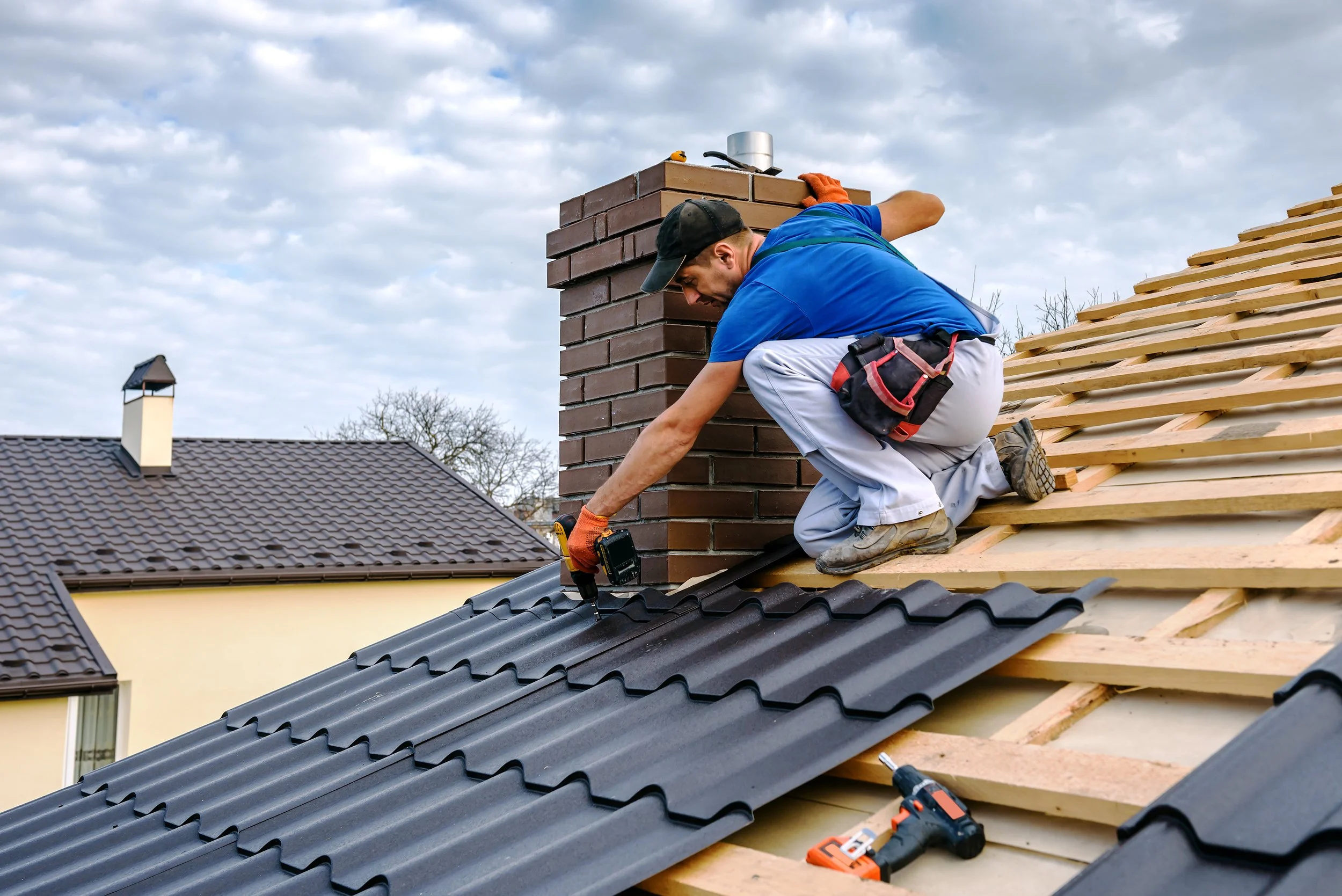
Storms can wreak havoc on even the sturdiest homes, and one of the most vulnerable areas during severe weather is your roof. If you've discovered water dripping from your ceiling or noticed damp spots after a recent storm, you're not alone. Roof leaks are among the most common types of storm damage homeowners face, and knowing how to respond quickly can make the difference between a minor fix and extensive structural damage.
Understanding Why Storms Cause Roof Leaks
When severe weather strikes, your roof endures an assault from multiple directions. High winds can lift shingles, creating gaps where water can penetrate. Heavy rain overwhelms gutters and finds its way into even the smallest cracks. Hail can puncture roofing materials, while flying debris might tear sections away entirely.
The cumulative effect of these forces often reveals weak points that were previously unnoticed. That small crack from last year's heat expansion might have been harmless until storm water found it. Understanding these causes helps you better assess the damage and communicate effectively with professionals.
Immediate Steps to Take When You Discover a Leak
The moment you notice water entering your home, swift action becomes essential. Your first priority is protecting your belongings and preventing further interior damage.
Contain the Water
Place buckets, containers, or towels beneath active leaks to catch dripping water. If water is pooling on your ceiling and creating a bulge, carefully puncture the lowest point with a screwdriver to allow controlled drainage into a bucket. While this might seem counterintuitive, it prevents the ceiling from collapsing under the weight of accumulated water.
Move Valuables to Safety
Relocate furniture, electronics, and other valuable items away from the affected area. Cover items that cannot be moved with plastic sheeting or tarps. Don't forget to check attic spaces where water might be accumulating before it reaches your living areas.
Document Everything
Before making any temporary repairs, photograph and video all visible damage from multiple angles. Capture wide shots showing the overall affected area and close-ups of specific damage points. This documentation will be invaluable for insurance claims and helps professionals understand the scope of the problem before they arrive.
Conducting a Safe Preliminary Assessment
Once you've addressed immediate concerns, you can begin evaluating the situation more thoroughly, but safety must remain paramount.
Interior Inspection
Look for water stains on ceilings and walls, checking rooms directly below the roof and in the attic if accessible. Water doesn't always drip straight down; it can travel along rafters and beams before appearing inside your home. Note any discoloration, peeling paint, or soft spots in drywall.
Exterior Evaluation
From ground level, use binoculars to inspect your roof for visible damage such as missing shingles, dented or torn materials, or debris accumulation. Look at gutters and downspouts for blockages or separation from the roofline. Never climb onto your roof immediately after a storm, as surfaces may be slippery, weakened, or hiding additional damage.
Making Temporary Emergency Repairs
While you await professional assistance, temporary measures can minimize ongoing damage.
Tarping the Damaged Area
If you can safely access your roof and weather permits, secure a heavy-duty tarp over the damaged section. Extend the tarp at least several feet beyond the damaged area on all sides, and anchor it with boards and sandbags rather than nails, which create additional punctures. However, if conditions are unsafe or you're uncomfortable with heights, wait for professionals.
Interior Water Management
Continue monitoring and emptying collection containers. Use fans to promote air circulation and prevent mold growth, but keep them away from standing water. If water has soaked insulation in your attic, it may need removal to prevent mold and reduce stress on your ceiling.
Professional Roof Repair: When and Why to Call Experts
Some situations absolutely require professional intervention. Attempting complex roof repair yourself can void warranties, create safety hazards, and potentially worsen the damage.
Assessing the Need for Professional Help
Contact roofing professionals immediately if you notice structural damage such as sagging, large sections of missing materials, damage near chimneys or vents, or if the leak affects multiple areas. Even seemingly minor damage deserves professional evaluation, as hidden problems often lurk beneath the surface.
What to Expect from Professionals
Qualified contractors will conduct a comprehensive inspection, often using moisture meters and thermal imaging to detect hidden water intrusion. They'll assess not just the obvious damage but also the overall condition of your roofing system. A detailed estimate should break down materials, labor, and timeline while explaining the scope of necessary roof repair work.
Choosing the Right Contractor
Look for licensed and insured professionals with experience in storm damage restoration. Ask for references from recent storm-related projects and verify their credentials with local licensing boards. Be wary of storm chasers who appear door-to-door immediately after severe weather, as they often lack proper credentials and may disappear before completing work.
Navigating the Insurance Claims Process
Most homeowner's insurance policies cover storm damage, but successfully navigating the claims process requires attention to detail.
Initiating Your Claim
Contact your insurance company as soon as possible after discovering damage. Many policies have time limits for filing claims. Provide your documentation and be prepared to describe what happened, when you noticed the damage, and what immediate actions you've taken.
Working with Insurance Adjusters
An adjuster will visit to assess the damage and determine coverage. Be present during this inspection to point out all affected areas. Your documentation helps ensure nothing is overlooked. If the adjuster's assessment seems inadequate, you have the right to request a second opinion or hire a public adjuster to represent your interests.
Understanding Coverage Limitations
Review your policy carefully to understand your deductible, coverage limits, and any exclusions. Some policies distinguish between wind and water damage, which can affect coverage. Pre-existing damage or deferred maintenance typically isn't covered, which is why regular roof maintenance and inspections are so important.
Preventing Future Storm Damage
Once repairs are complete, take proactive steps to strengthen your roof against future storms.
Regular Maintenance Matters
Schedule annual professional inspections to identify and address minor issues before they become major problems. Keep gutters clean and ensure proper attic ventilation to prevent moisture buildup that weakens roofing materials. Trim overhanging branches that could fall during storms.
Consider Upgrades
If your roof sustained significant damage or is approaching the end of its lifespan, discuss upgrades with your contractor. Impact-resistant shingles, improved underlayment, and enhanced fastening systems can significantly increase your roof's resilience against future storms.
Taking Control After Storm Damage
Discovering a roof leak after a storm can feel overwhelming, but taking systematic action helps you regain control of the situation. By responding quickly to contain damage, documenting thoroughly, working with qualified professionals, and navigating the insurance process carefully, you can restore your roof and your peace of mind.
When it comes time for repairs, resist the temptation to cut corners with cheap materials or the lowest bid. Bargain shingles, substandard underlayment, and discount supplies might save money upfront, but they often fail prematurely, leaving you facing the same problems again within a few years. Quality roofing materials are engineered to withstand the elements and protect your investment for decades. The slight difference in initial cost pales in comparison to the expense and frustration of repeated repairs.
Ready to Restore Your Roof?
Don't let storm damage compromise your home's safety and value. Contact our roofing contractor today for a thorough inspection and honest assessment of your roof's condition. A professional evaluation will give you peace of mind and a clear path forward, whether you need minor repairs or a complete restoration. Your roof is your home's first line of defense against the elements, and investing in proper repairs with quality materials today prevents far more costly problems tomorrow. Reach out now to schedule your free inspection and protect what matters most.
Frequently Asked Questions
How quickly should I address a roof leak after a storm?
Address roof leaks immediately. Even small amounts of water can cause significant damage to insulation, drywall, framing, and electrical systems within hours. Mold can begin growing within a day or two in damp conditions.
Can I perform roof repair myself or should I always hire professionals?
Minor temporary measures like tarping are reasonable for capable homeowners in safe conditions, but permanent repairs should be left to professionals. Roofing work involves safety risks, requires specialized knowledge, and improper repairs can void warranties or create liability issues.
Will my insurance cover all storm damage to my roof?
Coverage depends on your specific policy, the cause of damage, and your roof's condition before the storm. Most policies cover sudden storm damage but exclude wear and tear or pre-existing issues. Review your policy and discuss coverage with your agent.
How can I tell if damage is new or pre-existing?
Fresh storm damage typically shows clean breaks, bright exposed materials, and debris near damage points. Pre-existing damage appears weathered with discoloration around affected areas. Professionals and insurance adjusters are trained to distinguish between the two.
What if I can't afford the deductible for repairs?
Discuss payment plans with contractors, as many offer financing options. Never delay essential repairs, as additional damage will cost more than your deductible. Some contractors will work directly with insurance companies to manage payment.
How long do emergency roof repairs typically last?
Emergency tarping and temporary measures are meant to last only until permanent repairs can be completed, typically a few weeks to several months depending on contractor availability and weather. Don't rely on temporary solutions long-term.
