
How to Prepare Your Roof for Monsoon Season
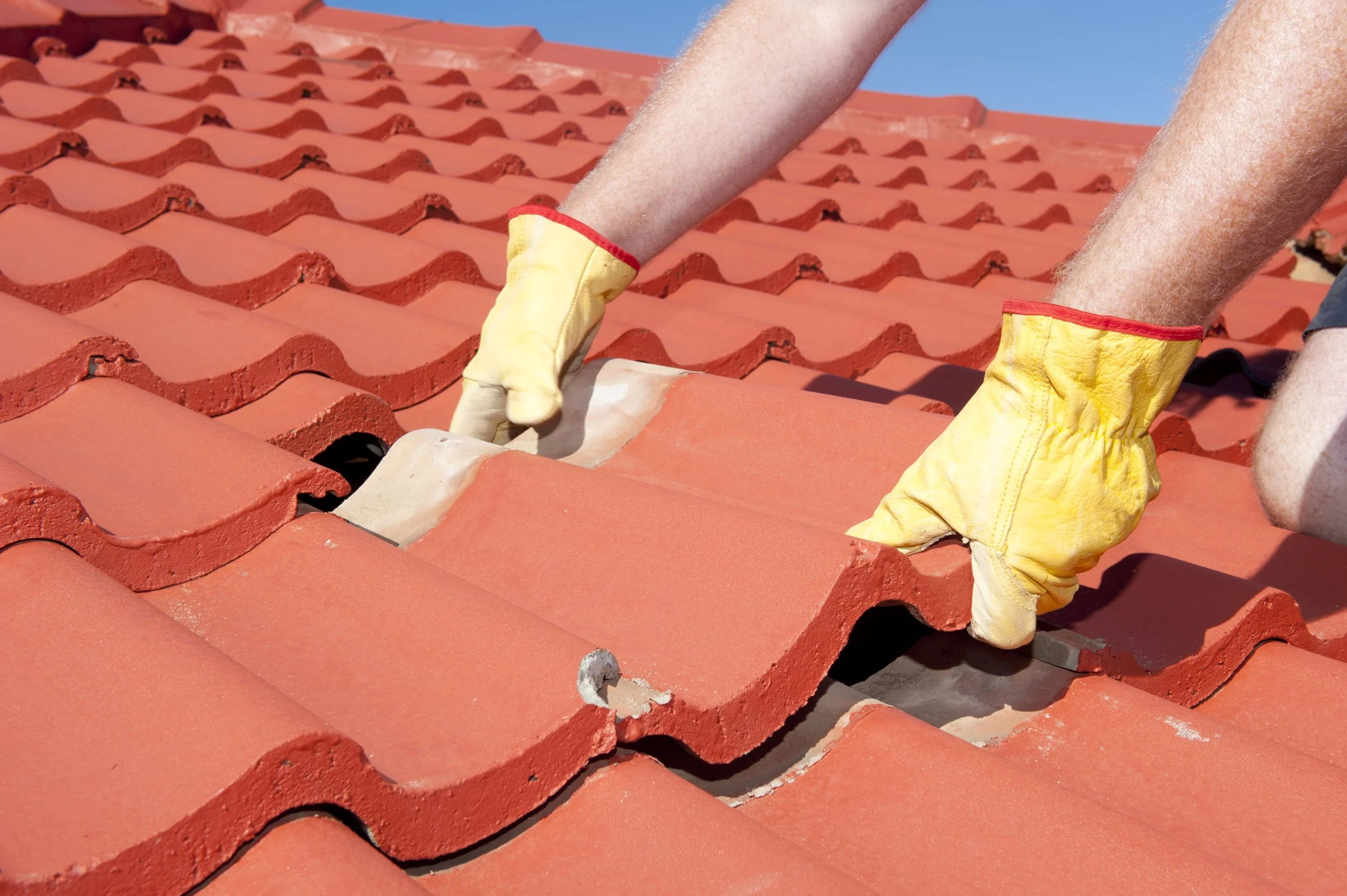
Monsoon season has a way of arriving fast and hitting hard. One day, the sky is clear and dry, and the next, torrential rain, powerful winds, and driving debris are testing every inch of your home's exterior. For most homeowners, the roof is the last thing on their mind — until something goes wrong.
The good news is that a little preparation goes a long way. Taking time before the season starts to inspect, maintain, and reinforce your roof can mean the difference between a home that weathers the storm with ease and one that ends up with leaks, structural damage, and costly emergency repairs. Here is everything you need to know to get your roof monsoon-ready.
Why Monsoon Season Is Hard on Roofs
Most people understand that heavy rain is not great for a roof, but the monsoon season presents a unique combination of challenges that goes beyond simple rainfall. High-speed winds can lift and tear shingles, force water beneath flashing, and deposit heavy debris that causes impact damage. Sudden temperature swings — common during monsoon weather patterns — cause roofing materials to expand and contract rapidly, accelerating wear over time.
Standing water is another major concern. When gutters become clogged or drainage is insufficient, water pools on the roof surface and seeps into even the smallest cracks and gaps. Over time, this moisture works its way into the underlayment and decking, causing rot, mold, and structural weakening that is far more expensive to address than a simple roof repair caught early.
Understanding these specific threats helps you focus your preparation efforts in the right places.
Start With a Thorough Roof Inspection
Before monsoon season arrives, a thorough inspection of your roof is the single most important thing you can do. You are looking for any existing vulnerabilities that heavy rain and wind could exploit and turn into serious problems.
From the ground, scan the surface of your roof for missing, cracked, curling, or buckled shingles. These are signs that your protective layer has been compromised and is no longer doing its job effectively. Pay particular attention to areas around chimneys, skylights, vents, and any other penetrations, as these are common entry points for water.
If you are comfortable doing so, a closer look from a ladder at the roof's edge can reveal additional issues like damaged fascia boards, deteriorating sealant, and clogged gutters. However, walking on a roof requires care and the right conditions — when in doubt, leave the up-close inspection to a professional roofing contractor who can safely assess every corner of your roof and identify issues that an untrained eye might miss.
Clean and Inspect Your Gutters
Your gutter system is your roof's drainage partner, and during monsoon season, it earns its keep. Gutters clogged with leaves, dirt, and debris cannot do their job, causing water to back up along the roofline and eventually work its way under shingles and into your home.
Before the season begins, clear your gutters completely and flush them with water to check for proper flow. While you are at it, inspect the gutters themselves for cracks, sagging sections, and loose fasteners. Check that downspouts are firmly attached and directing water well away from your home's foundation.
If your area is surrounded by trees, consider installing gutter guards to reduce the frequency of cleanings and keep debris from accumulating during the storm season.
Check and Reseal Flashing
Flashing is the thin metal material installed around roof penetrations — chimneys, vents, pipes, skylights, and valleys — to create a watertight seal. It is also one of the first things to fail under the stress of monsoon conditions.
Over time, flashing can lift, crack, or pull away from the surface it is meant to seal. Even a small gap is enough for wind-driven rain to find its way in. Inspect all flashing carefully before the season begins and reseal any areas where the caulk or sealant has dried, cracked, or pulled away. If flashing is visibly bent, lifted, or corroded, it may need to be replaced entirely.
This is a relatively small and inexpensive fix when addressed proactively — but if ignored, a failed flashing can lead to significant water intrusion and the kind of interior damage that requires major roof repair down the line.
Trim Overhanging Trees and Branches
Trees add beauty and shade to your property, but during a monsoon storm, overhanging branches become projectiles. Strong winds can snap branches and send them crashing onto your roof, causing impact damage to shingles, gutters, and in severe cases, the decking beneath.
Before the season starts, walk your property and identify any branches that hang directly over or close to your roofline. Have them trimmed back to a safe distance by a qualified tree service. This simple step can prevent a significant amount of storm damage and reduce the volume of debris that ends up in your gutters.
Inspect Your Attic for Early Warning Signs
Roof problems do not always announce themselves from the outside. Your attic is one of the best places to catch early signs of roof damage before it becomes a larger issue. Head up there during daylight and look for any spots where light is coming through — these indicate gaps or holes in the roof structure.
Also look for signs of moisture: staining on the wood, mold growth, or damp insulation. These are indicators that water has already been finding its way in, possibly through a slow leak you have not noticed yet. Catching these issues before monsoon season allows you to address them before heavy rain turns a minor seep into a major flood.
Know When to Call a Professional
There is a limit to what a homeowner can safely and effectively do on their own when it comes to roof maintenance. If your inspection turns up significant shingle damage, widespread flashing failures, signs of rot in the decking, or any structural concerns, it is time to bring in a professional roofing contractor.
A qualified roofer can perform a comprehensive roof repair before the season begins, ensuring that every vulnerability is addressed with the right materials and techniques. Attempting complex repairs without the proper experience can sometimes create new problems while leaving old ones unresolved — a professional brings both the expertise and the accountability to get it right.
Don't Wait Until It's Too Late
Your roof is your home's first and most important line of defense against the elements. A proactive approach to monsoon preparation — inspecting, cleaning, sealing, and addressing small issues before they grow — can save you significant stress, inconvenience, and expense when the storms roll in.
If your inspection has turned up concerns, or if you simply want the confidence of knowing a professional has given your roof a clean bill of health, now is the time to act. Contact our local roof repair company today for a thorough pre-season inspection and let the experts make sure your home is fully protected before the first storm arrives. A prepared roof is a protected home — and that peace of mind is worth every bit of the effort.
FAQ: Monsoon Season Roof Preparation
How often should I have my roof professionally inspected?
Most roofing professionals recommend an inspection at least once a year, with an additional check before and after major storm seasons. Catching problems early almost always saves money in the long run.
What are the most common signs of monsoon roof damage?
Look for missing or damaged shingles, water stains on interior ceilings or walls, sagging areas on the roof surface, clogged or damaged gutters, and any daylight visible through the attic.
Can I do roof repairs myself?
Minor maintenance tasks like cleaning gutters and applying sealant around small flashing gaps are manageable for handy homeowners. However, more significant repairs should always be handled by a licensed roofing contractor to ensure safety and quality results.
How long does a professional roof inspection take?
Most inspections can be completed within a couple of hours, depending on the size and complexity of the roof. The time invested is well worth the peace of mind heading into storm season.
What should I do if I discover damage during monsoon season?
If you notice a leak or visible damage during active storm season, document it with photos and contact a roofing professional as soon as conditions allow. In the meantime, use buckets or towels to manage interior water intrusion and avoid any DIY repairs during wet or windy conditions.
